
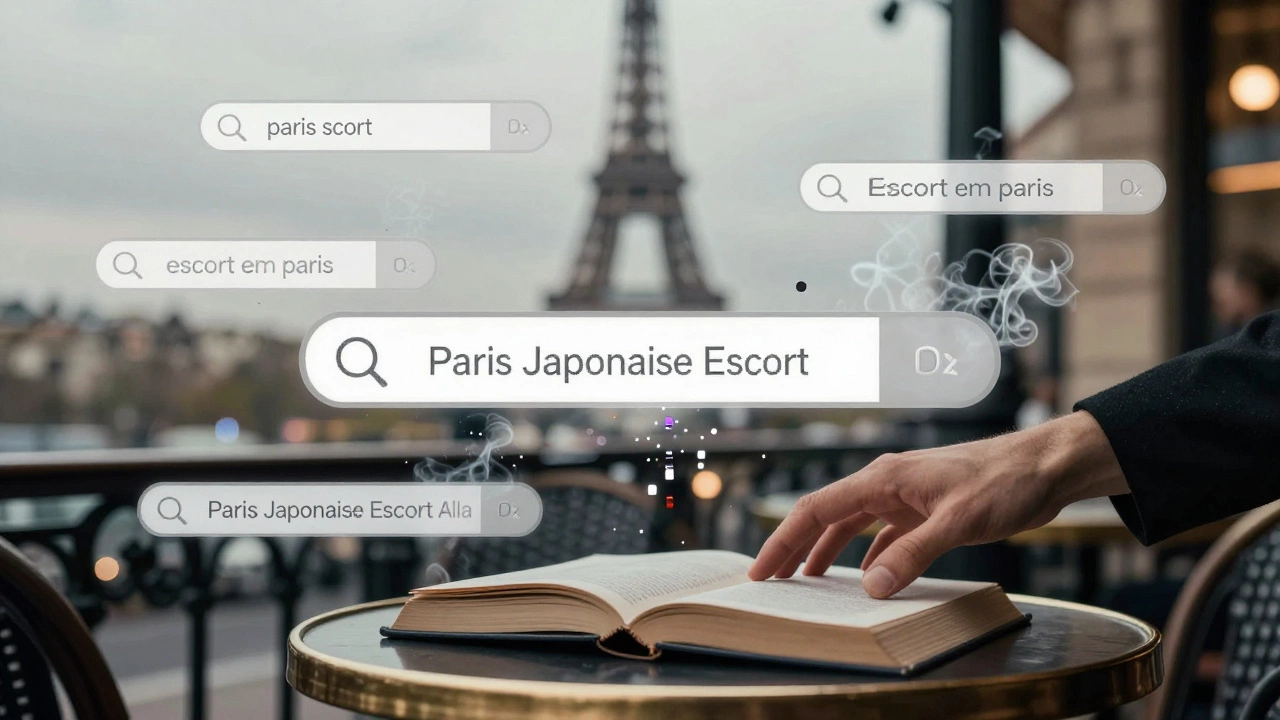
Paris has long been a city of mystery, art, and quiet indulgence. Among the cobblestone alleys of Montmartre and the quiet cafés of Saint-Germain, there’s a quiet undercurrent of personal services that cater to those seeking companionship beyond the tourist brochures. One phrase you might come across online is Paris Japonaise Escort Alla - a term that blends cultural references, language quirks, and local demand. But what does it actually mean? And who are the people behind these descriptions?
If you’re researching companionship options in Paris, you might stumble upon sites offering escort em paris services. While some platforms focus on European networks, others highlight specific cultural or ethnic profiles - including Japanese-inspired aesthetics or Black female companions, often labeled as escorte noire paris. These terms, however, are more marketing labels than official categories. Real people don’t identify themselves this way in daily life. They’re individuals with their own stories, not stereotypes packaged for search engines.
Understanding the Language Behind the Labels
The phrase "Paris Japonaise Escort Alla" is grammatically odd. "Japonaise" is French for Japanese, and "Alla" sounds like a name - possibly a misspelling or shorthand for "Aya," "Alina," or another common name. It’s likely a keyword string created by someone trying to capture niche searches. In reality, no official service uses this exact phrasing. You won’t find a business card or website that says "Paris Japonaise Escort Alla" - it’s a digital artifact, not a real person or brand.
Similarly, "paris scort" is a common misspelling of "escort." People typing quickly or using non-English keyboards often make this error. Search engines still route traffic to sites using this term because it’s frequently searched. The same goes for "escort em paris" - "em" is French for "in," so it’s just "escort in Paris." It’s not wrong, but it’s not professional either. These are linguistic fingerprints of non-native speakers trying to reach an audience.
Who Are the People Behind the Ads?
Behind every online listing is a real person. Some are students working part-time. Others are artists, writers, or expats who need flexible income. A few may have entered the industry out of financial pressure. But none of them signed up to be called "Japonaise" or "noire" as if they were products on a shelf. These labels reduce complex identities to racial or cultural tropes.
In Paris, the legal landscape is murky. Prostitution itself isn’t illegal - but advertising, soliciting, and operating brothels are. That’s why most services operate under the guise of "companion services," "tour guides," or "event attendants." The language used online is carefully chosen to avoid legal triggers while still attracting clicks. Terms like "escorte noire paris" are used because they attract specific searches, not because they reflect reality.
What You Should Look For Instead
If you’re looking for companionship in Paris, focus on safety, clarity, and respect. Ask questions like:
- Can I meet in a public place first?
- What are your boundaries and expectations?
- Do you have verified identification or references?
- Are you working independently or through a third party?
Reputable individuals will answer these without hesitation. If someone avoids direct answers or pushes you toward a private location too quickly, walk away. This isn’t about suspicion - it’s about self-preservation. The same rules apply whether you’re in Paris, Berlin, or Tokyo.
The Cultural Missteps in Marketing
The use of "Japonaise" or "noire" in escort ads reflects a deeper problem: the exoticization of women based on race. A Black woman isn’t an "escorte noire" - she’s a woman who happens to be Black. A Japanese woman isn’t a "Japonaise escort" - she’s a person with a background, language, and culture that goes far beyond a keyword.
These labels are relics of colonial-era thinking, repackaged for the digital age. They reduce people to visual traits that appeal to fetishized fantasies. The result? Real individuals are trapped in roles they didn’t choose. And the people searching for these services often end up disappointed - not because the service was bad, but because they were seeking a fantasy, not a connection.

What’s Really Happening in Paris?
Paris isn’t a city of hidden brothels and secret meetings. It’s a place where people live, work, and sometimes need extra income. Many who offer companionship services do so quietly, through word-of-mouth or discreet platforms. They don’t need flashy keywords. They don’t need to be labeled as "Japonaise" or "noire." They just need to be seen as human.
There are real communities in Paris - from the immigrant neighborhoods of Belleville to the expat hubs in the 16th arrondissement - where people support each other without turning to exploitative online ads. If you’re looking for genuine connection, look beyond the search results. Attend a language exchange, join a book club, or take a walking tour led by a local. You’ll meet more interesting people that way.
Final Thoughts: Beyond the Keywords
"Paris Japonaise Escort Alla" isn’t a person. It’s a string of words stitched together by algorithms and desperation. The same goes for "paris scort" and "escorte noire paris." They’re not guides. They’re ghosts in the machine.
If you’re in Paris and seeking companionship, don’t let digital noise lead you. Be clear about what you want. Be respectful of the people you meet. And remember - no label, no keyword, no exoticized term can replace the value of a real human interaction.